
Renovating a Home in Dallas? 10 Things to Know Before You Start
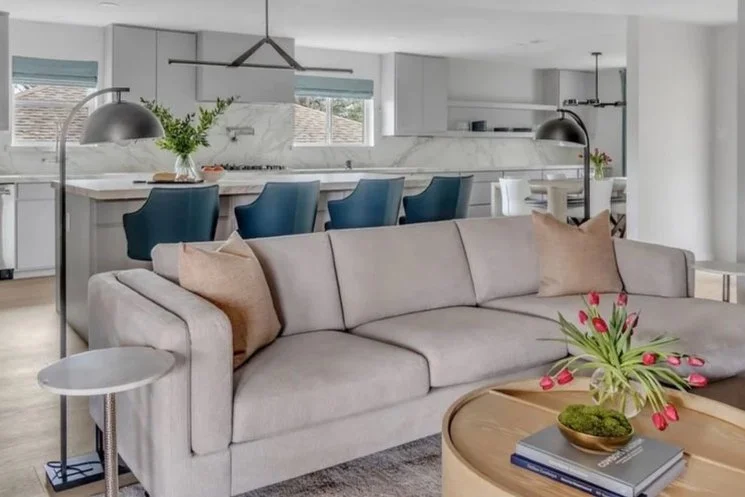
Our Cavender Project demonstrates how thoughtful renovation planning can create a home that feels cohesive from one space to the next.
There’s something exciting about deciding to renovate your home. You start imagining the new kitchen, the bathroom you won’t mind getting ready in every morning, better storage, beautiful finishes, and finally fixing those little things that have bothered you for years.
Then reality enters the chat.
Renovating a home involves a lot more than choosing beautiful tile and watching the transformation happen. There are budgets, timelines, contractors, material lead times, unexpected discoveries and approximately 4,321 decisions you didn't realize you would need to make.
If you’re renovating a home in Dallas, preparing before construction begins can make the entire experience significantly easier.
As a Dallas interior designer who has worked on renovations ranging from individual rooms to full home transformations, there are a few things I wish every homeowner knew before demo day.
Here are 10 things to know before starting a home renovation in Dallas.
1. Start With the Design—Not Demolition
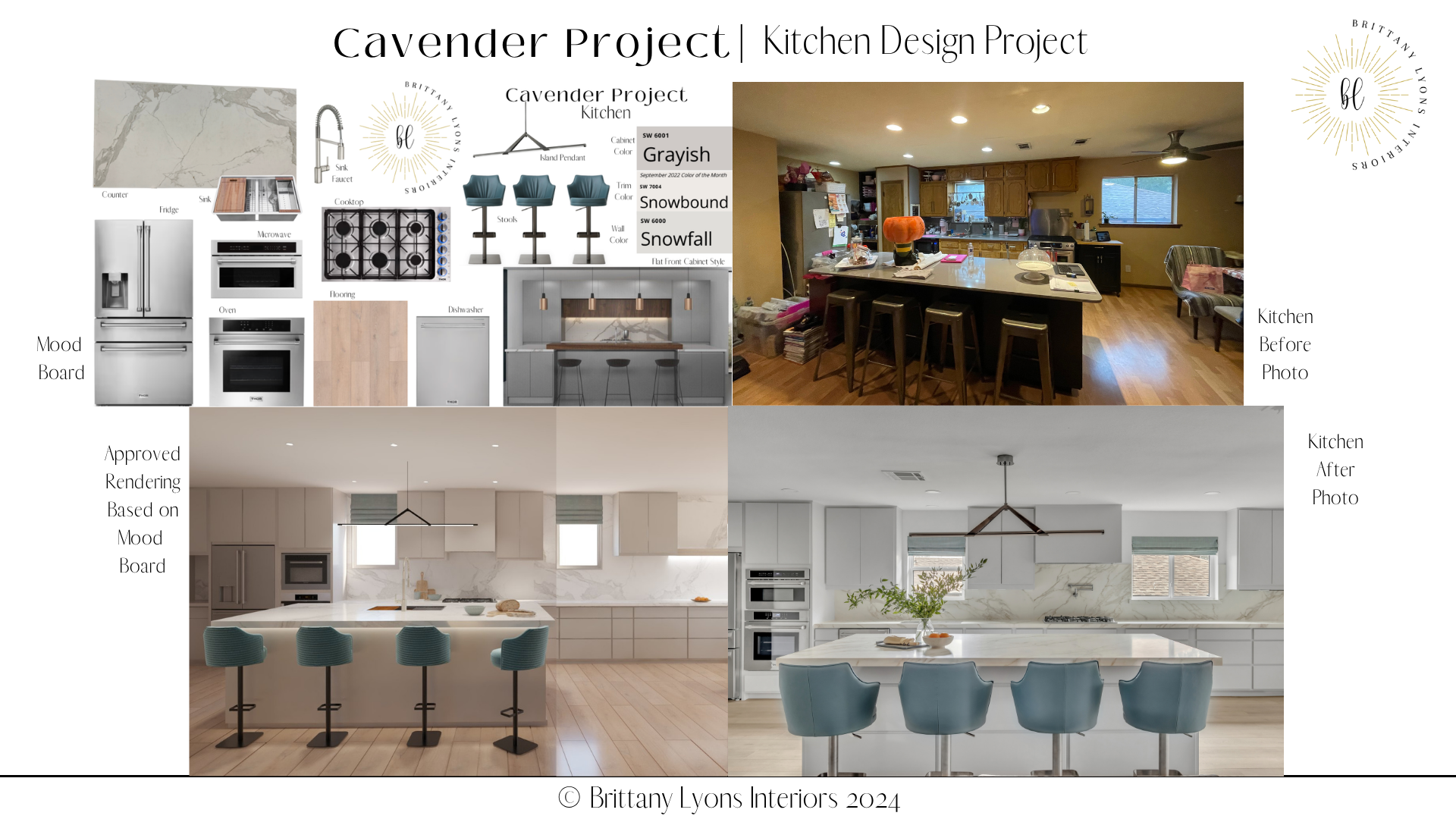
The Cavender kitchen from concept to reality.
One of the biggest mistakes homeowners can make is starting construction before the design is fully developed.
It’s tempting to think, We’ll figure things out as we go.
Unfortunately, “figuring it out as you go” can quickly turn into your contractor asking what tile you want installed tomorrow morning while you’re frantically scrolling through options online.
Before construction begins, you ideally want decisions made about your layout, cabinetry, countertops, flooring, tile, plumbing fixtures, lighting and other major finishes.
This allows the contractor to understand what is actually being built and gives you a much clearer picture of the project's scope.
At Brittany Lyons Interiors, the planning and design phase happens before construction and installation for exactly this reason. A renovation is much easier to navigate when everyone has a roadmap.
2. Establish a Realistic Renovation Budget
Before falling in love with a $10,000 range or deciding that every bathroom needs natural stone, establish what you’re comfortable investing in the project.
Your budget should account for more than construction labor.
Depending on your renovation, expenses may include cabinetry, countertops, flooring, tile, appliances, plumbing fixtures, lighting, hardware, paint, design fees, freight, delivery, storage, installation, furniture and window treatments.
The scope matters, too.
Keeping a kitchen's existing layout is very different from removing walls, relocating plumbing and designing custom cabinetry from scratch.
If you haven't already, read our guide on how much it costs to renovate a home in Dallas. It explains the factors that can have the greatest impact on your renovation investment.
3. Leave Room for the Unexpected
This one is especially important when renovating an older home in Dallas.
We have some beautiful established neighborhoods throughout the Dallas area, but older homes occasionally come with surprises.
Once walls are opened or flooring is removed, you may discover outdated electrical work, plumbing issues, water damage, previous repairs or other conditions that weren't visible during the planning phase.
On one of our projects involving a home built in the 1960s, an issue with the existing breaker panel resulted in approximately $4,000 of additional work.
Not exciting.
Not particularly Instagram worthy.
But necessary.
This is why having a contingency fund is important. You don't want every dollar committed to visible finishes with no flexibility if the house decides to reveal a secret.
4. Hire the Right Contractor for Your Project
Not every contractor is the right contractor for every renovation.
Before hiring someone, look at the type of work they regularly complete. Ask about similar projects, licensing or insurance where applicable, communication, scheduling and how changes to the original scope are handled.
And don't choose based solely on the lowest number.
A detailed proposal should help you understand what is—and isn't—included.
If one contractor's estimate is dramatically lower than everyone else's, look closely at the scope before assuming you've found a bargain.
Your interior designer and contractor also have different roles. The contractor is responsible for executing the construction, while the designer helps develop the design, make selections and ensure all of those individual decisions create a cohesive finished space.
The strongest projects happen when the team communicates well.
5. Make Decisions Before They Become Urgent
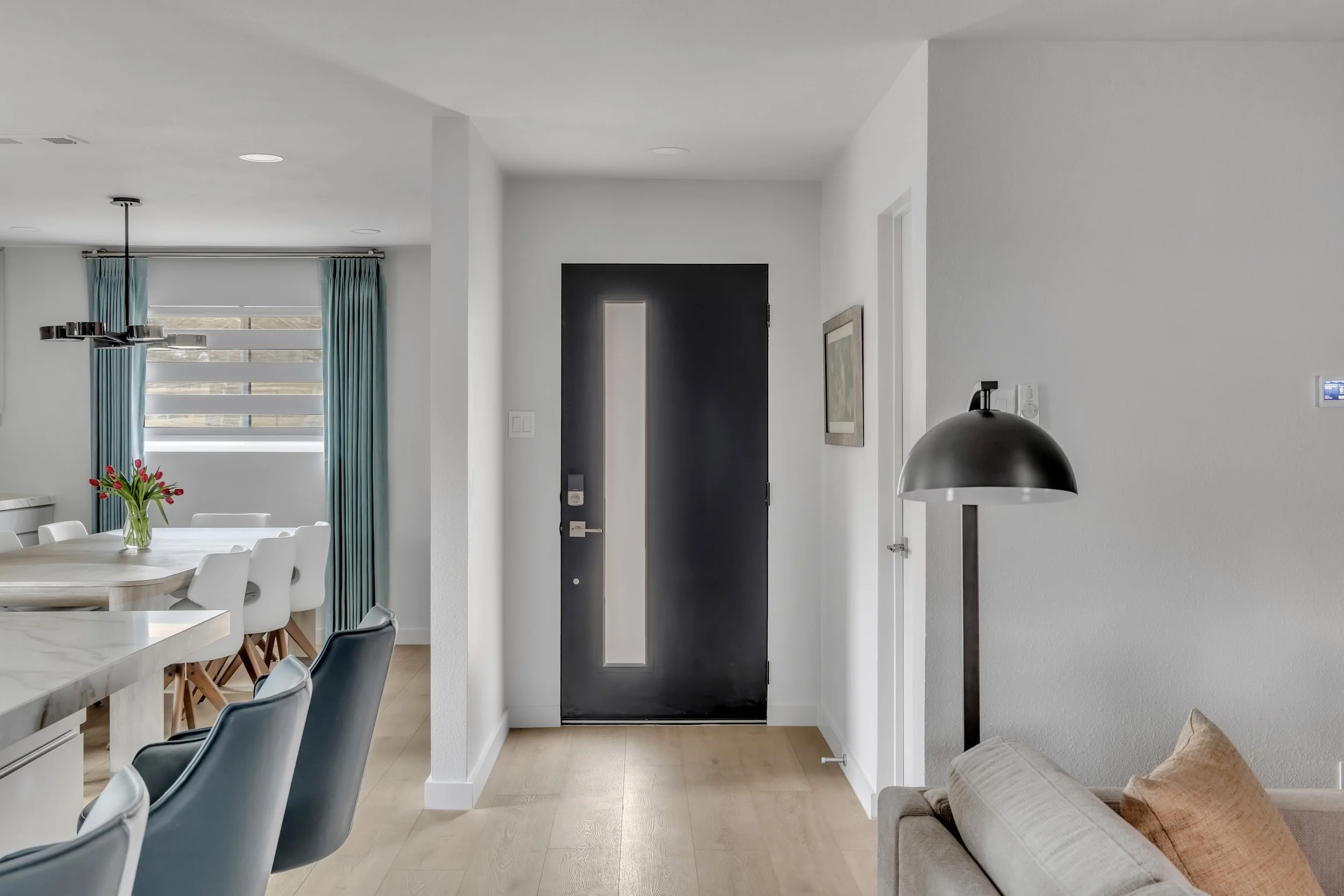
Every item from this Cavender project was selected and ordered before demolition ever began.
Renovations involve an incredible number of decisions.
Which countertop?
What grout color?
Where should the sconces go?
Which faucet finish?
How high should the backsplash run?
Which cabinet hardware?
Where should the outlets be placed?
Individually, these may seem small. Together, they determine whether your finished home feels thoughtfully designed or like a collection of unrelated decisions.
Making selections ahead of time also reduces the likelihood of rushed decisions.
I would much rather help a client select the right faucet during the design phase than have them choose from three options available locally because the plumber needs it tomorrow.
Planning gives you choices.
Urgency tends to take them away.
6. Order Materials Earlier Than You Think
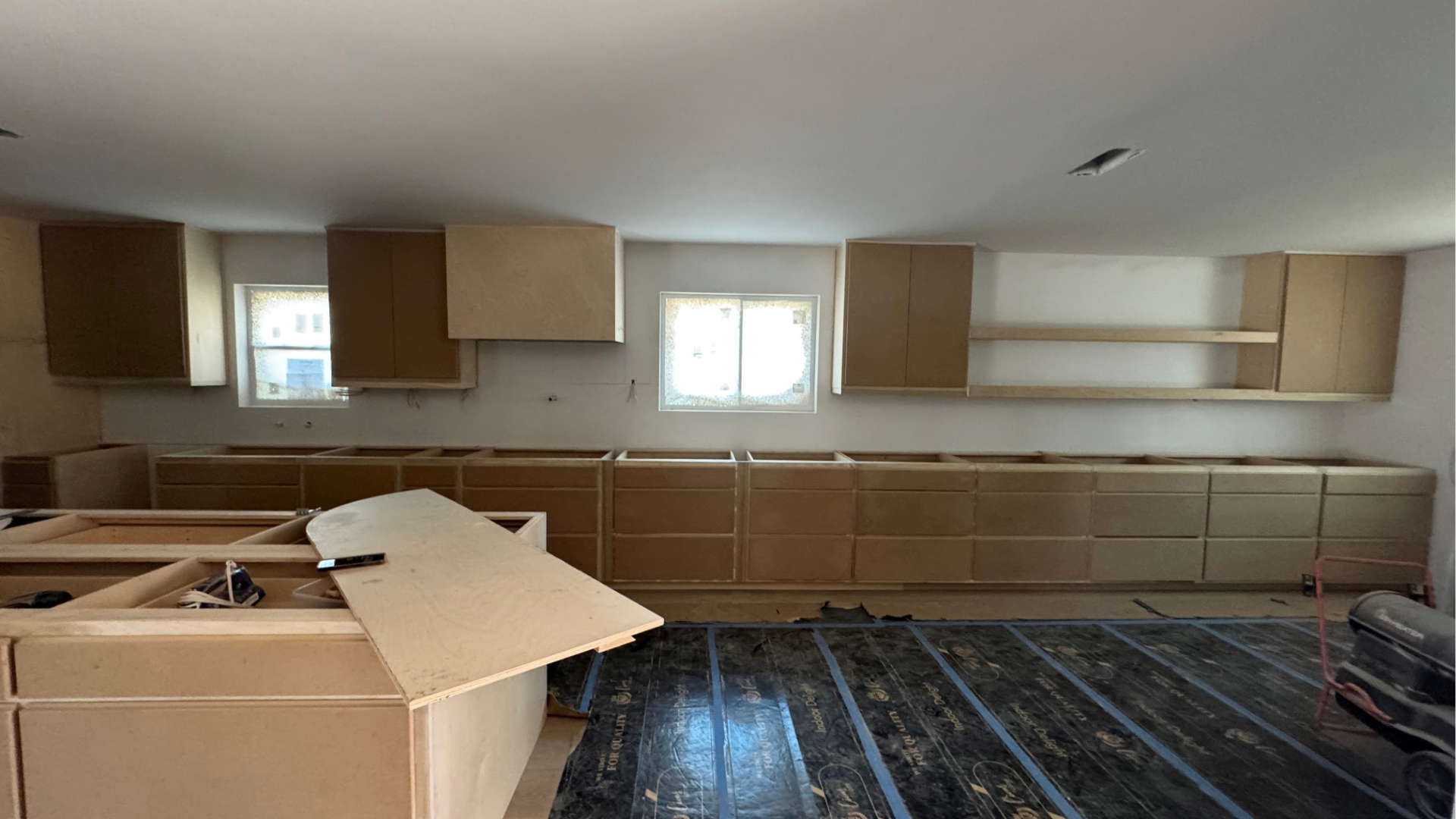
Progress/construction photo from the Cavender renovation (kitchen).
Just because you see something online doesn't mean it can arrive next week.
Furniture, lighting, plumbing fixtures, tile, appliances and custom products can all have varying lead times.
Items may also become backordered or discontinued after you've selected them.
For our projects, procurement is an important part of the process. Once the design is approved and purchasing begins, we track orders, coordinate receiving and inspect products before installation whenever appropriate.
Ideally, major materials should be selected early enough that your construction schedule isn't dependent on a missing faucet or backordered tile.
There will always be factors outside anyone's control, but early planning gives your project a much better starting point.
7. Understand That Renovations Take Time
“How long will this take?” is understandably one of the first questions homeowners ask.
The answer depends on the project.
A furnishing focused redesign may move much differently from a bathroom renovation, kitchen remodel or whole home project.
Construction schedules can also be affected by inspections, trade availability, product lead times, unexpected site conditions and changes made during the project.
Before starting, ask your team about the expected timeline and what could potentially affect it.
We've also created a full guide explaining how long an interior design project takes in Dallas, including what happens during design, procurement and installation.
Knowing what to expect won't make construction happen overnight, but it can make the process feel much more manageable.
8. Prepare for Construction to Disrupt Your Routine
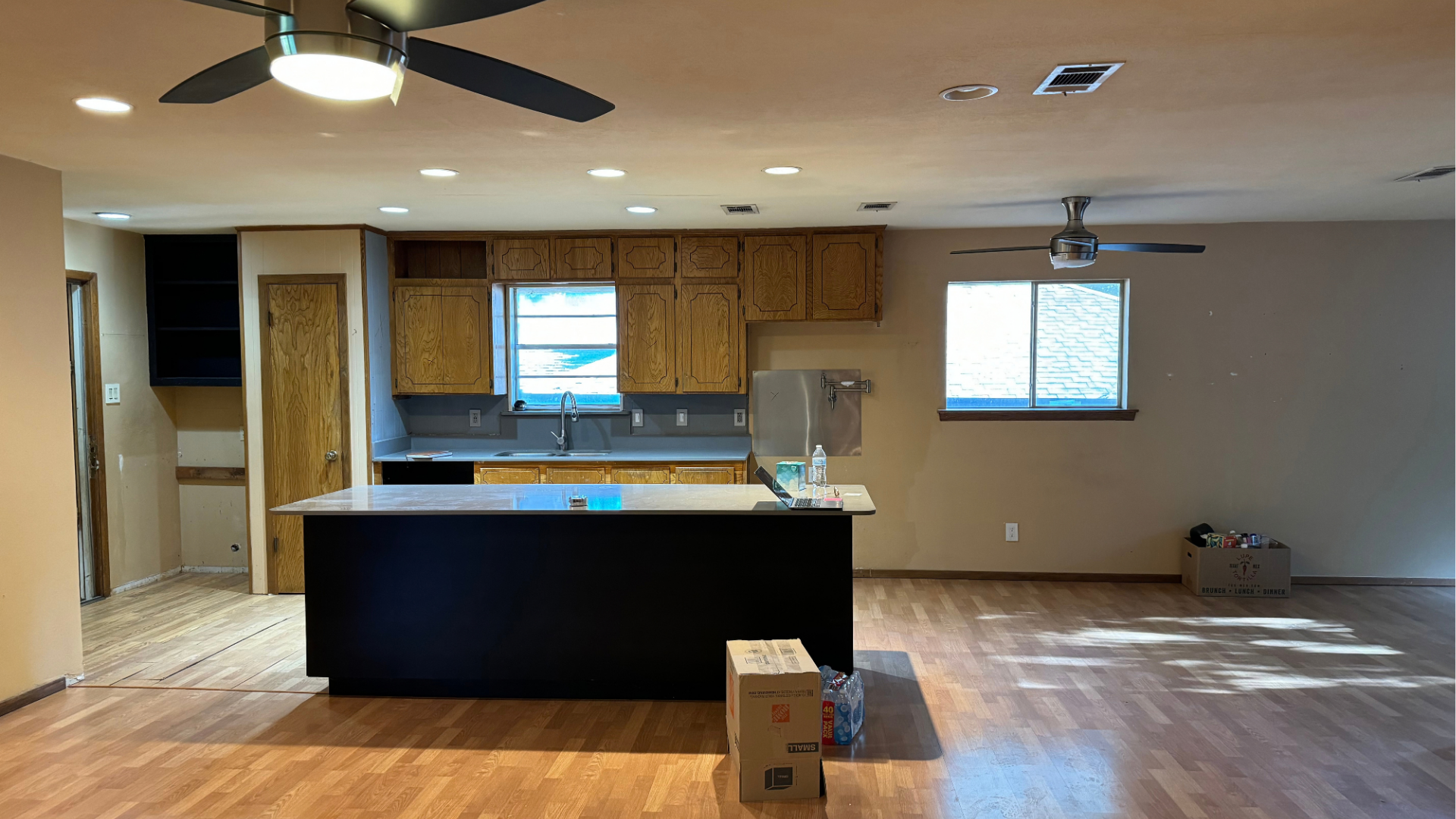
Demo day of our Cavender project’s kitchen. Since this was a full home renovation, this client completely moved out of the house.
Even the most organized renovation is still construction.
There will be noise.
There will be dust.
People will be coming and going.
And at some point, you may wonder why you ever thought this was a good idea.
If your kitchen is being renovated, establish a temporary place for basic food preparation. If your primary bathroom is under construction, determine which bathroom you'll use instead.
For larger renovations, you may even decide that temporarily staying somewhere else makes more sense…and trust me, it does.
Thinking through these logistics beforehand can make a huge difference once construction begins.
Also remember: the messy middle is temporary.
Your home may look worse before it looks better. That's normal.
9. Think About the Entire Home, Not Just One Room
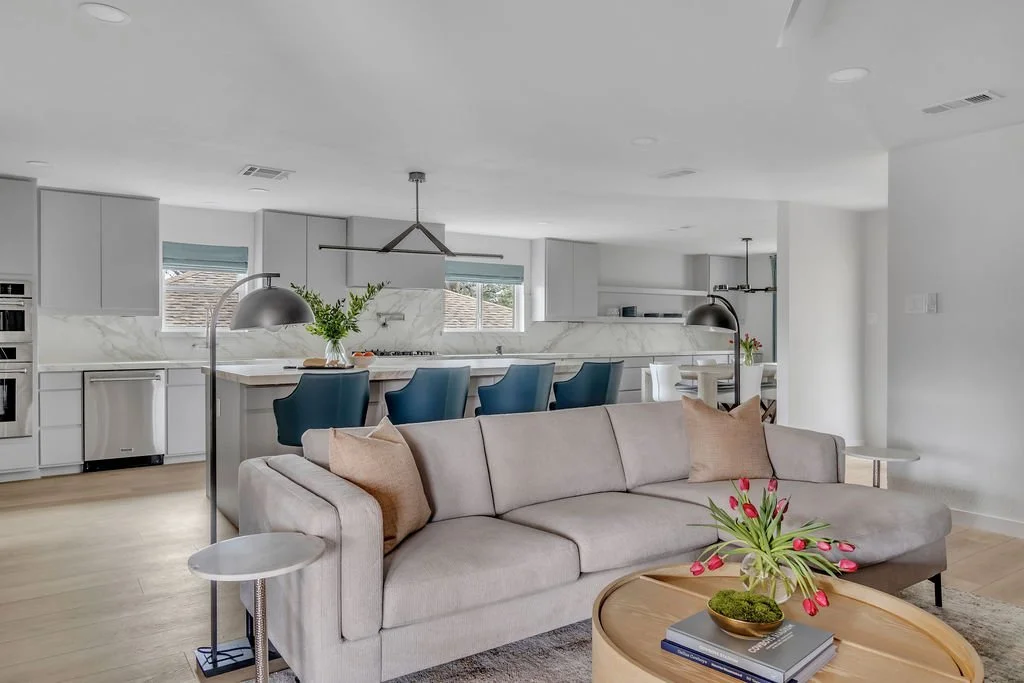
One of the easiest ways for a renovation to feel disconnected is to design every room independently.
Your kitchen doesn't need to perfectly match your bathroom, but the two should feel like they belong in the same house.
Consider how flooring, paint colors, cabinetry, metals, lighting and architectural details transition between spaces.
This becomes especially important if you're renovating multiple rooms at once or planning to renovate additional spaces later.
At Brittany Lyons Interiors, we're always thinking about the relationship between rooms. Even if we're focused on one area, we want the finished design to make sense within the rest of the home.
Cohesion doesn't mean everything looks the same.
It means everything feels intentional.
10. Don't Forget How You Actually Live
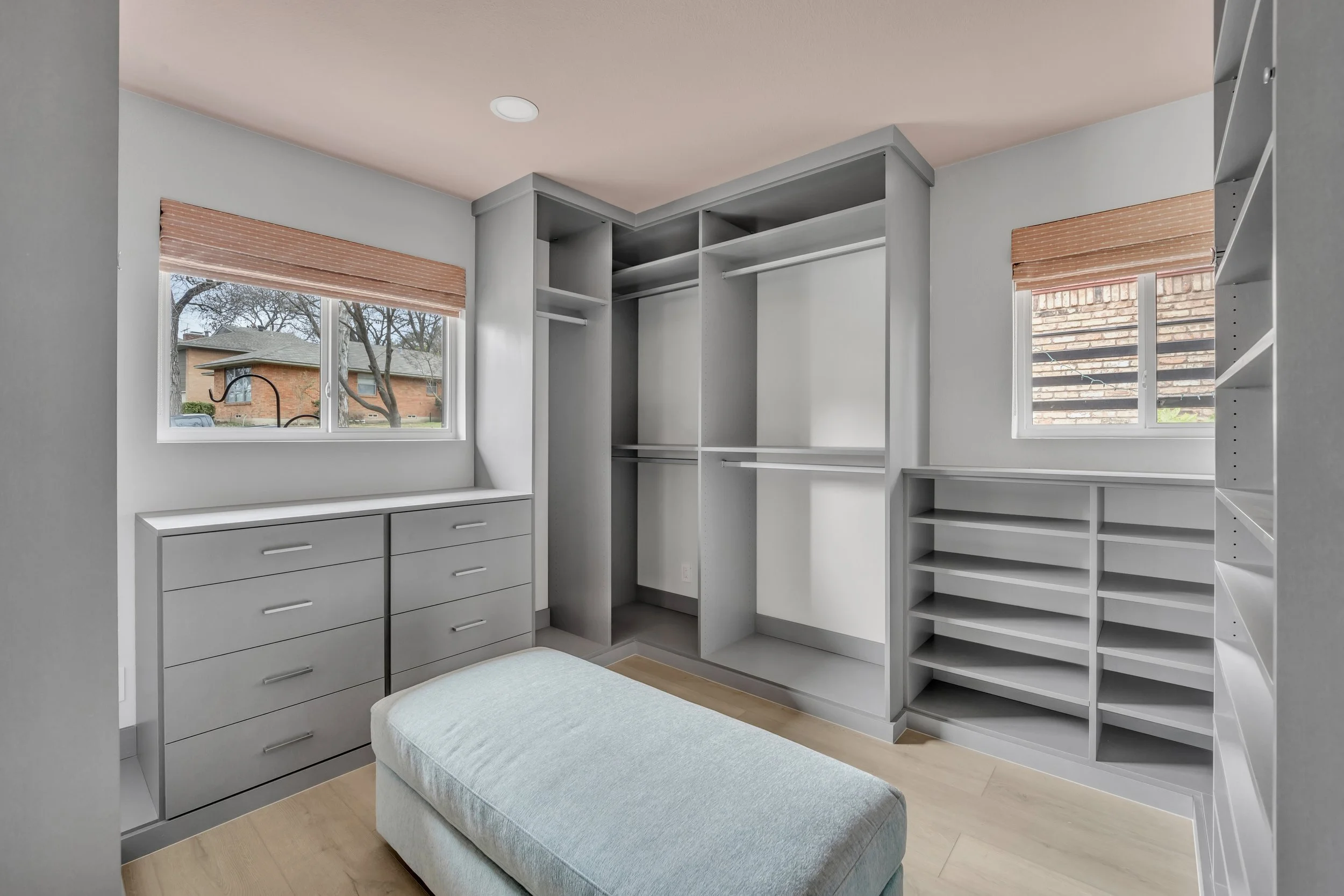
Thoughtful renovation planning goes beyond beautiful finishes. Custom storage in the Cavender Project was designed to make everyday life more functional and organized.
Pinterest is wonderful for inspiration.
But Pinterest doesn't know your family.
It doesn't know that everyone drops their shoes by the back door, that you need somewhere to hide the air fryer, that you have three dogs, or that your bathroom counter somehow collects seventeen products every morning.
Good design considers real life.
When planning your renovation, think about what currently frustrates you.
Where does clutter accumulate?
What doesn't have a home?
Which spaces feel cramped?
What do you wish were easier?
Those answers can be just as important as the inspiration photos you've saved.
A beautiful home is wonderful.
A beautiful home that makes your everyday life easier is even better.
When Should You Hire an Interior Designer for a Renovation?
Ideally, before construction begins.
Bringing a designer into the project early allows time for space planning, material selections, cabinetry decisions, lighting and plumbing specifications, furniture planning and other details to be considered before contractors need them.
It also gives you someone looking at the renovation from the perspective of the finished home…not simply the construction required to get there.
If you're still wondering whether professional design makes sense for your project, our guide to whether hiring an interior designer in Dallas is worth it walks through the benefits in more detail.
Planning a Home Renovation in Dallas?
Renovating your home can feel overwhelming, but much of that stress can be reduced through thoughtful planning.
Start with the design.
Understand your investment.
Build in contingency.
Hire the right team.
Make decisions early.
And most importantly, don't lose sight of why you're renovating in the first place.
Your home should support the way you live.
At Brittany Lyons Interiors, we help Dallas area homeowners plan renovations that balance beauty, functionality and the details that make a home feel personal.
If you're considering a kitchen, bathroom or larger home renovation, schedule a complimentary Discovery Call with Brittany Lyons Interiors. We'll talk about your project, what isn't working in your current home and what you'd like to change.
Because the goal isn't simply to survive your renovation.
It's to come home to a space that feels better because of it.
Until next time,
Brittany
Let’s Get Connected!
TikTok: @brittanylyonsinteriors
Pinterest: Brittany Lyons Interiors
LinkedIn: Brittany Lyons Interiors